
Cybersecurity and Car Theft: How Advanced Protection is Changing the Game
In today’s hyper-connected world, the line between physical security and cybersecurity is rapidly disappearing—especially when it comes to vehicles. Modern cars are no longer just mechanical machines; they are sophisticated, software-driven systems that can be vulnerable to digital attacks. As a result, car theft has evolved from breaking a window or hotwiring an ignition to exploiting wireless signals, onboard software, and network vulnerabilities.
This shift has created an urgent need for integrated security solutions that combine both physical protection and advanced cybersecurity. That’s where innovative providers like SDVOSB.services are stepping in to redefine what it means to keep vehicles—and their owners—safe.
“In the dead of night, crews strike the streets in Washington, D.C.; in Maryland and in Pennsylvania,” D.C. U.S. Attorney Jeanine Pirro said. “And in seconds, they reprogram Corvettes, Camaros, Honda Civics. This is a sophisticated ring turning everyday cars into international cargo.” And it happens here too, every day in Naples, Fort Myers, Marco Island, Bonita.
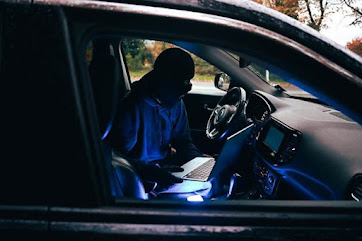
The New Face of Car Theft
Car theft today is increasingly driven by technology. Criminals are no longer limited to physical access; they can exploit:
- Relay attacks that amplify key fob signals to unlock and start vehicles
- Remote hacking of connected systems
- Malware injections into vehicle software
- Sensor spoofing to manipulate autonomous features
Research shows that connected and software-defined vehicles are particularly vulnerable due to their reliance on constant communication, sensors, and over-the-air updates.
In fact, cyber-enabled auto theft has been rising as vehicles become more digitized, exposing weaknesses in traditional security systems.
Why Traditional Security Isn’t Enough

- Network vulnerabilities
- Wireless access points
- AI-driven intrusion techniques
- Coordinated cyber-physical attacks
Modern threats require layered security, combining digital monitoring with physical safeguards.
The Integrated Security Approach
This is where companies like SDVOSB.services stand out. Their approach reflects a new paradigm: holistic protection that blends cybersecurity, AI, and physical defense systems.
Key Capabilities
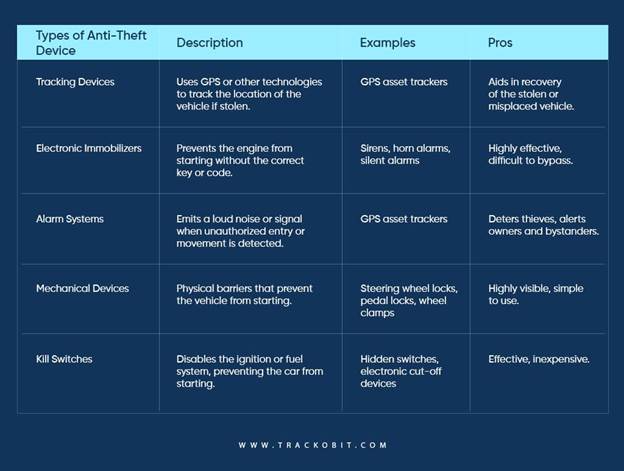
SDVOSB.services provides:
- AI-driven video surveillance and intrusion detection
- Cybersecurity coordination and network protection
- Biometric and access control systems
- Drone-based monitoring of property and vehicles
- Secure transportation and driving training
- 24/7 integrated command and control systems
This combination ensures that threats are detected early—whether they originate from a hacker across the world or a thief outside your driveway.
How Cybersecurity Prevents Car Theft
Cybersecurity is now a frontline defense in protecting vehicles. Advanced systems can:
- Detect unusual network activity in real time
- Block unauthorized access attempts
- Encrypt communications between devices
- Monitor vehicle behavior for anomalies
Industry best practices emphasize real-time threat detection, secure software development, and continuous monitoring as essential components of vehicle security.
When paired with physical security measures—like cameras, access control, and perimeter protection—the result is a multi-layered defense system that dramatically reduces theft risk.
Real-World Impact: From Reactive to Proactive Security
One of the biggest shifts in modern security is moving from reactive to proactive protection.
Instead of responding after a theft occurs, integrated systems:
- Identify suspicious behavior before a crime happens
- Alert homeowners or security teams instantly
- Automatically trigger deterrents (lights, alarms, surveillance tracking)
- Provide forensic data for law enforcement
This proactive model is especially important for high-value vehicles and high-net-worth individuals, who are increasingly targeted by organized, tech-savvy criminals.
The Future of Vehicle Protection
As vehicles continue to evolve into connected, autonomous systems, cybersecurity will become just as critical as brakes and airbags.
The future of car theft prevention lies in:
- AI-powered threat detection
- Fully integrated home + vehicle security ecosystems
- Continuous software updates and monitoring
- Collaboration between cybersecurity experts and physical security providers
Companies like SDVOSB.services are leading this transformation by delivering military-grade, customized security solutions that address both digital and physical risks.
Conclusion
Car theft is no longer just a physical crime—it’s a cyber-physical threat. As technology advances, so do the tactics of criminals. The only effective response is a comprehensive security strategy that evolves just as quickly.
By integrating cybersecurity with advanced physical protection, modern solutions are not only stopping theft—they are preventing it altogether.
In this new era, security isn’t just about locks and alarms. It’s about intelligence, integration, and staying one step ahead.
Call or text today...right now...(239) 710-1772 or cut-and-paste into your browser: https://SDVOSB.services or just get your cell phone and scan the QR code here:

Read more about cybersecurity from our expert team of Veteran professionals:
https://sdvosbservices.blogspot.com/2026/05/military-grade-cybersecurity-for.html
Images
Additional Info
Media Contact : Jonathan.Kendall@SDVOSBmaterials.com
Related Links : (239) 710-1772
Source : https://SDVOSB.services